Dropshipping keeps growing — the global market was worth around $464 billion in 2025 and is projected to pass $1.25 trillion by 2030, according to Grand View Research. But with more sellers joining every month, the niche you choose is only half the battle.
The other half is sourcing. Almost every product in the niches below is made in China, so your real edge isn’t just what you sell — it’s the supplier behind it, the shipping time, and whether the product meets the rules in your customer’s country. Get those wrong and refunds eat your profit. This guide gives you six niches with steady demand, plus the China sourcing, shipping, and compliance reality for each one — the part most “best niches” lists leave out.
What makes a dropshipping niche worth it?
A niche is worth building around when it has steady year-round demand (not a one-week viral spike), healthy margins (room to price above cost and still pay for ads), repeat purchases (consumables and accessories that bring buyers back), and clean sourcing (a product that is cheap to make, safe to ship, and legal to sell in your market). The six below tick these boxes.
Home and Kitchen
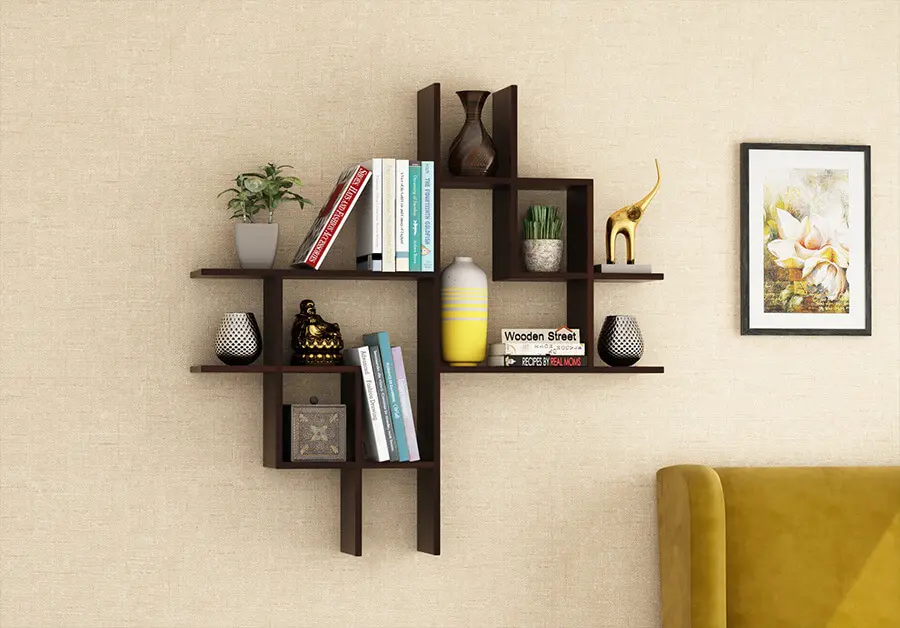
Home products appeal to almost everyone and demo extremely well in short video, which is why they dominate TikTok and Reels. The global home decor market alone is expected to reach about $991.9 billion by 2033, per Market.us. The winners here are problem-solvers you can show in five seconds: space-saving storage and organizers, viral kitchen gadgets (choppers, drink tools, sealing clips), and LED or ambient lighting.
Sourcing reality: This category is built for China sourcing. Yiwu is the world’s largest small-commodities hub, so you get huge SKU variety and very low order minimums — ideal for testing ten products cheaply before scaling the one that hits. Most items are light and flat-packable, which keeps shipping affordable. Watch out: ceramics and glass decor have high breakage rates in transit, and any electrical kitchen item needs the correct plug standard, voltage, and CE/FCC marking for the destination. Stick to light, durable, non-electrical items when you start.
→ See products and suppliers on the home and kitchen dropshipping page.
Pet Supplies
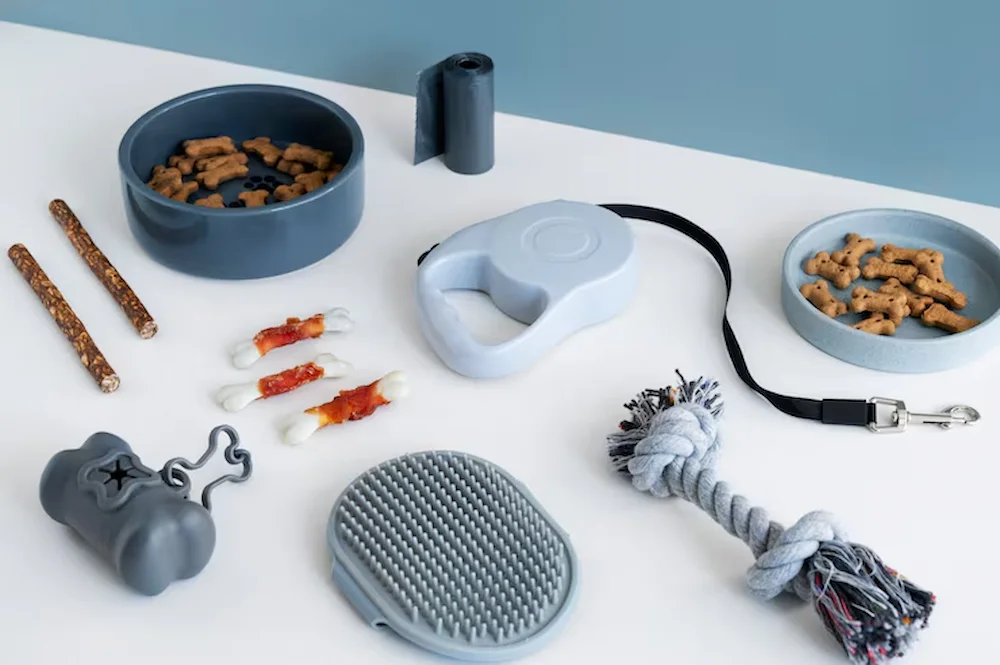
Pet owners buy often and spend on quality, which makes this one of the most stable niches around. The global pet care market was valued at $226.9 billion in 2023 and is projected to reach $340.7 billion by 2029, according to Arizton. Strong sellers include enrichment and slow-feeder toys, grooming tools (deshedding brushes, nail grinders), travel and feeding accessories, and pet apparel or harnesses — most are lightweight, repeat-purchase items.
Sourcing reality: China is the largest manufacturing base for pet accessories, so unit costs are low and variety is deep. Because the products are small and light, shipping stays cheap even on single orders. Watch out: material safety matters (non-toxic, no small parts that can break off and choke a pet), and pet apparel/harnesses need a clear size guide by breed and weight — sizing is a top return reason. Avoid ingestibles like treats and supplements unless you know the destination’s import rules; they’re a customs and liability headache.
→ More on the pet supplies dropshipping page and our pet dropshipping guide.
Beauty and At-Home Beauty Devices
Beauty is one of the largest e-commerce categories worldwide, expected to reach about $692.49 billion by 2029, per The Business Research Company. Rather than fight in crowded basic skincare, look at at-home beauty devices — facial cleansing brushes, LED masks, microcurrent and roller tools, IPL hair-removal devices, scalp massagers. This sub-niche is growing from $14.4 billion in 2026 to $21.85 billion by 2030, and the higher price points mean better margins than $5 cosmetics.
Sourcing reality: Guangdong and Guangzhou are the core belt for small beauty electronics — often the same factories that supply global brands. Watch out: this is the most compliance-heavy niche on the list. Many devices contain lithium batteries, which are restricted on air freight, and LED/IPL/laser tools can fall under medical-device rules (FDA in the US, CE medical marking in the EU). You need a sourcing and fulfillment partner who ships battery devices on compliant lines and can confirm the device meets destination rules — otherwise shipments get held or seized.
→ See product ideas and suppliers on the beauty and makeup dropshipping page.
Tech and Smart Home
People replace devices and accessories constantly, and smart home is the fastest-moving part of this niche. The global smart home market is projected to reach about $175.1 billion in 2026, and notably China is the single largest market, generating around $40.2 billion that year, per Statista. Reliable sellers: phone accessories (cases, magnetic mounts, chargers), smart plugs, mini security cameras, LED strips, and charging stations — light, useful, frequently replaced.
Sourcing reality: China is both the biggest buyer and the main maker of these devices, so you source from the same factories that supply the world. The products are small and light, so shipping is cheap. Watch out: electronics legally require certification to sell in major markets — CE (EU), FCC (US), UKCA (UK) — and uncertified goods get blocked at customs or trigger returns. Lithium-battery items face air-freight limits, and any device with an app or firmware should support your customer’s language. Verify certification before you list, not after.
→ See the full list on the electronics dropshipping page.
Apparel and Intimates
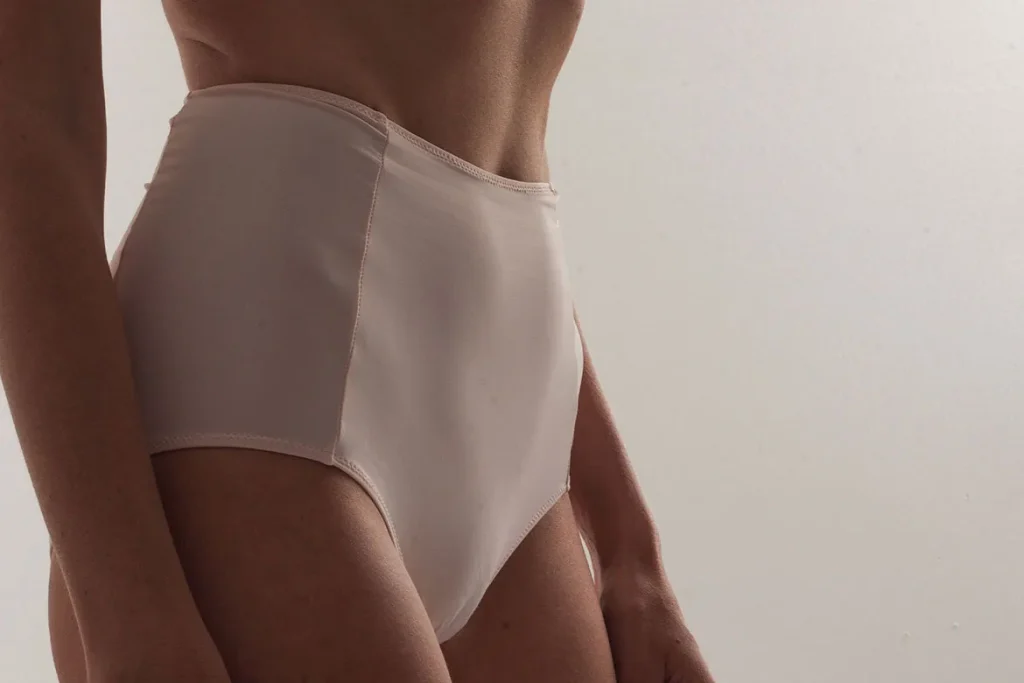
Fashion is consistently the single largest product category in dropshipping, holding roughly a third of the market, according to Grand View Research. Within it, intimates and underwear are a smart sub-niche because they’re consumable (customers restock), cheap to ship, and have strong repeat-purchase behavior. Think seamless underwear, shapewear, sports bras, loungewear sets, and socks.
Sourcing reality: China has deep textile manufacturing and low order minimums, so you can test many styles. Watch out: sizing is the number-one cause of apparel returns, and Chinese sizing runs smaller than US and EU sizing — a “Large” in China is often a US Medium or Small. You must get true measurements from your supplier and publish a clear, accurate size chart in centimeters and inches. Also check fabric safety (OEKO-TEX certified textiles for skin-contact items). Getting sizing right is the single biggest lever on your return rate in this niche.
→ Start with our underwear dropshipping guide and best underwear suppliers list. For broader apparel, see the clothing dropshipping page.
Jewelry and Accessories
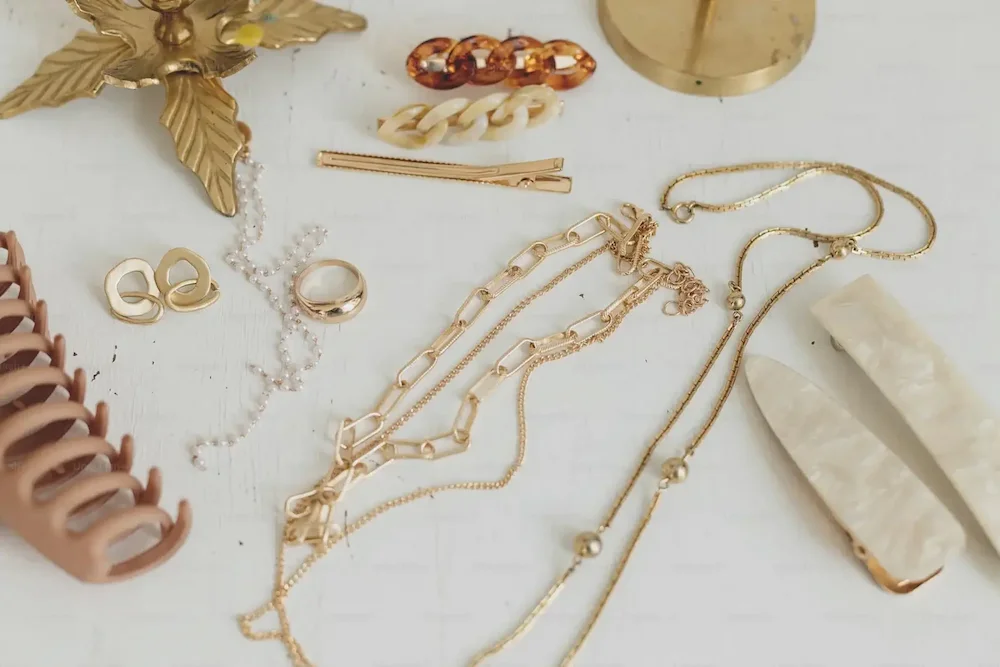
Jewelry is a high-margin niche driven by personal use, gifting, and sentiment. The global market sits at roughly $254 billion in 2026, with Asia-Pacific the largest region, per Fortune Business Insights, and online jewelry sales are growing around 13% a year. For dropshipping, fashion and costume jewelry are the sweet spot — low cost, high perceived value, light to ship, and easy to gift. The best performers are stainless steel and titanium pieces, plated necklaces and rings, minimalist or personalized designs, and hypoallergenic studs.
Sourcing reality: China dominates fashion-jewelry manufacturing, with low minimums that let you test many designs without holding stock. Watch out: two things. First, compliance — the EU’s REACH rules limit nickel release and restrict lead and cadmium in skin-contact jewelry, so cheap unverified pieces are a real legal risk in Europe. Second, quality — cheap plating tarnishes fast and triggers bad reviews, so favor stainless steel and titanium, which don’t tarnish, even if they cost a little more.
→ See styles and suppliers on the jewelry dropshipping page.
How to validate a niche before you commit
Don’t pick on gut feeling. Check search demand over time in Google Trends — you want steady or rising interest, not a fading spike. Study marketplaces like Amazon, eBay, and Etsy to see what actually sells, and read reviews to find complaints you can solve. Size up the competition — lots of sellers means demand exists, but if their stores look generic and poorly branded, that’s your opening. Run the real margins including product cost, shipping, and ad spend before you list anything. A niche that passes all four is worth building around.
For categories that look tempting but usually aren’t worth it, see our guide on dropshipping niches to avoid.
Sourcing and fulfillment: where your margins are won or lost
Once you pick a niche, your supplier and shipping speed decide whether you actually profit. Slow delivery and unreliable suppliers cause the refunds and chargebacks that quietly kill stores — which is exactly the side DailyFulfill handles. We source from verified factories, run quality checks, and ship from our warehouses in Yiwu and Guangzhou, with delivery in 6–12 days to the US and 3–8 days to the EU. We process over 20,000 orders a day for 6,000+ stores across 50+ countries, with custom packaging from $0.10 per piece, free storage for active clients, and a 4.9 Trustpilot rating.
If you want help sourcing any of the niches above, get a free quote from DailyFulfill and we’ll match you with a reliable supplier.

 English
 Français
 Deutsch
 Nederlands
 Polski
 Español