
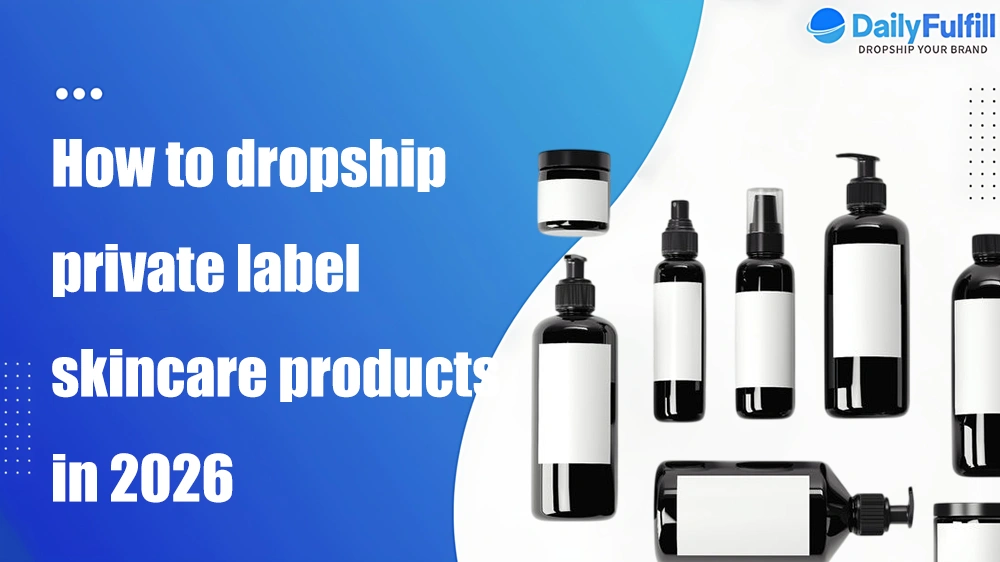
You want to pick suppliers who make things simple for you. When you dropship private label skincare, you need partners who give good service and help you. Some popular suppliers in 2025 are YOURS™, Hillman Reid, and Blanka. These companies let you start your brand without keeping products in stock.
You can also find other top private label cosmetics suppliers. Here are some that people like for their great products and happy customers:
TY Cosmetic: This supplier uses new technology and works with over 2,000 brands.
Vitelle Labs: Many skincare experts trust Vitelle Labs for their careful formulas and long history.
Bluebird Packaging: They have GMP and FDA approval, so you get safe and low-cost skincare.
Lady Burd: This company lets you make your own formulas and packaging for your private label cosmetics.
When you pick a supplier, make sure they match what you need. Check how they make products, their quality checks, and how they answer your questions. Here is a table to help you compare suppliers:
Criteria | Description |
|---|---|
Production Capabilities | Can the supplier handle your order size and use the right technology? |
Quality Assurance | Do they do strong quality checks and follow industry rules? |
Client Testimonials | Do other brands say nice things about them? |
Compliance and Standards | Do they follow all rules and have the right certificates? |
Response Analysis | Do they reply to your questions quickly and professionally? |
Tip: Always ask for samples before you sell anything. This helps you check the quality yourself.
Quality matters a lot in private label cosmetics. Your customers want safe and good products. You need to make sure your supplier follows strict rules and uses the best ingredients. Look for suppliers with important certificates. These show the products are safe and high quality.
Here is a table of the most important certificates for private label cosmetics:
Certification Type | Description |
|---|---|
GMP Certification | Shows the supplier follows good manufacturing rules for safety and quality. |
ISO 22716 Certification | International rule for making cosmetics and checking quality. |
EU Cosmetic Regulations | Proves the products follow tough European safety and ingredient rules. |
Organic Certifications | Includes USDA Organic and COSMOS Organic for products with organic ingredients. |
Ethical Certifications | Covers cruelty-free (Leaping Bunny) and Fair Trade for ethical sourcing. |
You should always check if your supplier has these certificates. This helps you avoid safety or legal problems. It also helps your customers trust you. When you dropship private label skincare, you want every product to be high quality.
Why use a Sourcing Agent instead?” “While platforms like Blanka are easy to start, their product costs are often high. DailyFulfill works directly with FDA-certified skincare factories in Guangzhou. We help you get 50% lower costs than standard dropshipping apps, allowing you to build higher profit margins.
Fast and safe shipping helps your dropship beauty products business stand out. You want your customers to get their orders quickly. Different suppliers have different shipping times and order sizes. Here is a quick look at what you can expect:
Supplier | Minimum Order Quantity | Lead Time (Days) |
|---|---|---|
Metacnbeauty | 6000 (stock formulas) | 7 to 10 |
Metacnbeauty | 10000 (custom formulas) | 30 to 45 (or more) |
Ariel Cosmetic | N/A | 30 to 45 (or more) |
Some suppliers ship faster if you use their stock formulas. Custom formulas take more time. Always ask about shipping times before you pick a supplier. This helps you tell your customers what to expect.
Returns and refunds matter too. Most private label cosmetics suppliers want you to talk with them if a customer wants to return something. You get the details from your customer, then work with the supplier to follow their return steps. Some suppliers want a return form or a reason for the return. You need to know each supplier’s rules so you can handle returns easily.
DailyFulfill takes safety seriously. Unlike random AliExpress sellers, our team physically visits the factory to verify their GMP & ISO 22716 certificates before we ship a single bottle to your customers.”
Note: Talking clearly with your supplier helps you fix shipping or return problems fast. This keeps your customers happy and coming back.
When you dropship beauty products, you need to focus on quality, speed, and service. The right private label cosmetics supplier will help your business grow and keep your customers loyal.
Struggling with high MOQs?” “Most factories require 10,000 units for custom formulas. At DailyFulfill, we have partnered with flexible labs that allow Low MOQ Private Labeling (starting from 100 units for packaging).
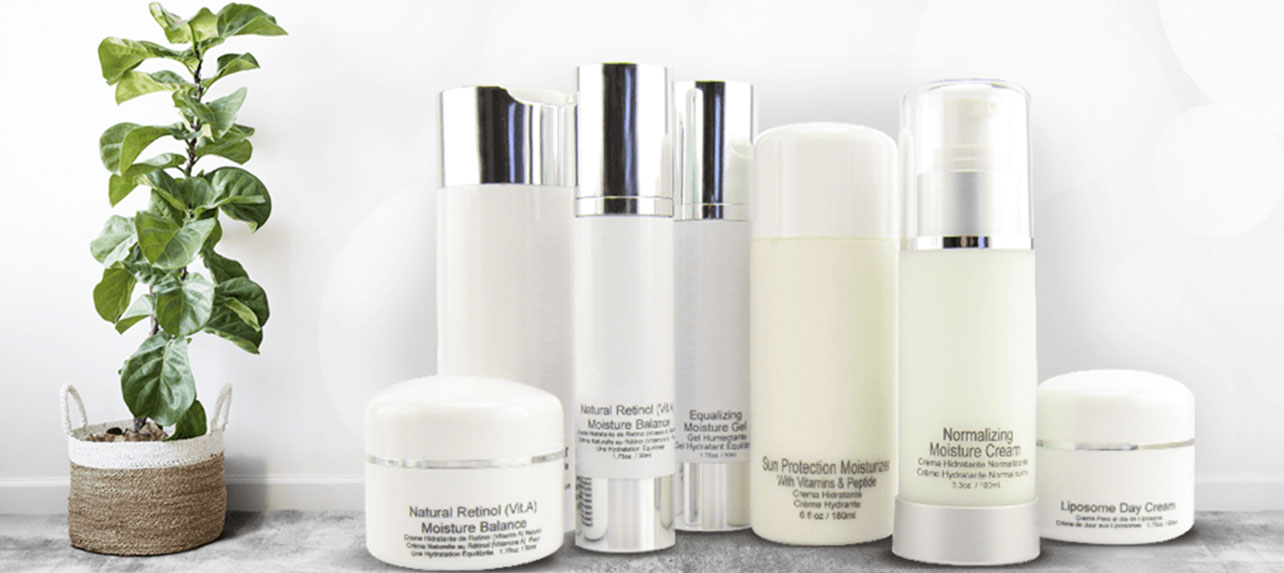
You want your private label beauty brand to stand out. Start with a clear story that shows what your brand means. People like brands that feel real and honest. Make sure your logo, colors, and message look the same everywhere. This helps shoppers remember you.
Tell your story in a way that connects with your audience.
Keep your look and message the same on your website, packaging, and social media.
Study other brands to find what makes you different.
Tip: When you build a custom-design store, use your brand colors and logo on every page. This makes your shop easy to spot.
You can make your products special. Many suppliers let you choose scents, ingredients, and even the look of your bottles. Customers love having options. You do not need to keep lots of products in stock. Dropshipping lets you offer many choices without extra work.
Pick the look and feel of your packaging so it matches your brand.
Add your logo to invoices for a pro touch.
Use a custom-design store to show off your unique products.
Ask your supplier about their support team. Fast help can boost your sales.
Packaging matters a lot in 2025. People want eco-friendly and simple designs. Your packaging should look good and work well. Some brands use QR codes or special textures to make the box fun to open.
Trend | Description |
|---|---|
Sustainability | Use recycled or biodegradable materials. |
Minimalism | Choose clean designs with simple fonts and neutral colors. |
Functionality | Add QR codes or smart features for more interaction. |
Sensory Experiences | Try velvet finishes or embossed logos for a cool feel. |
Mono-Material | Use one material to make recycling easy. |
Note: Always follow safety and labeling rules. Your products must be safe and your labels must be clear. If you say your product is organic, make sure you have proof.
You want to know how much money you can make. Dropshipping makes it easy to track costs. You pay for ingredients, packaging, and ads. Most suppliers store and ship products for you. This saves you money. Here is an example for lipstick:
Wholesale price for lipstick is $5.00.
You sell it for $20.00 in your store.
You make $15.00 profit for each lipstick.
The markup is 300%.
If you sell 500 lipsticks, you earn $7,500 profit.
You can use value-based pricing for fancy products. Bundle pricing helps you sell more. Picking the best supplier and niche keeps costs low. It also helps you make more money. Here are some financial facts:
Benchmark | Description |
|---|---|
Profit Margins | Private label skincare can give you 50% to 70% margins. |
Cash Flow Management | Watch your spending and sales to keep your business strong. |
Operational Expenses | Shipping and storage can be 10% to 20% of sales. |
Marketing Costs | You may spend $500 to $5,000 each month on ads. |
Restocking Costs | Restocking can cost $2,000 to $10,000 every month. |
Tip: Always check your costs and profits before you add new products.
Smart marketing helps your beauty brand grow. Email marketing works well for dropshipping. Some brands get big returns, even over 4000%. Micro-influencers help you find new buyers. They charge $100 to $500 for each post. They often do better than famous people. User-generated content is also great. Ask customers to share photos and reviews. This builds trust and does not cost much.
Use email to remind customers to shop again.
Work with micro-influencers for real posts.
Run contests to get customer photos and reviews.
Note: Use marketing channels that give you the best results.
Growing your beauty brand brings new problems. You must follow health and safety rules for skincare. Each country has different rules. The skincare market is busy, so you need a special story. Some customers return products if they have skin problems. Clear labels and good support help lower returns. Shipping can change product quality. Shelf life is important. Building trust is key because buyers want safe products.
Check demand and profit before you add new items.
Pick suppliers who ship fast and answer questions.
Use social media ads, influencer deals, and content to reach more people.
Callout: Always learn about new rules and what customers want. This helps your business grow without big problems.